


Words by Johanna Harlow
Rick Morris hefts up his Nikon camera, its hulking 500MM lens nearly the length of his forearm, and scans the treetops. After a moment, we hear the reedy voice speak up again and locate the little fellow. An Anna’s hummingbird, cute as a gumdrop and clinging to a bare twig at the tippytop of an oak, tweedle-eedles merrily away as Rick presses the shutter. Click. Click. Click.
On a mission to track down the Bay’s best wildlife hikes, I’m tagging along with nature photographer and bird walk tour guide Rick Morris to explore Edgewood Park and Natural Preserve, a verdant patchwork of oak woodlands, grasslands and chaparral, which many species call home.
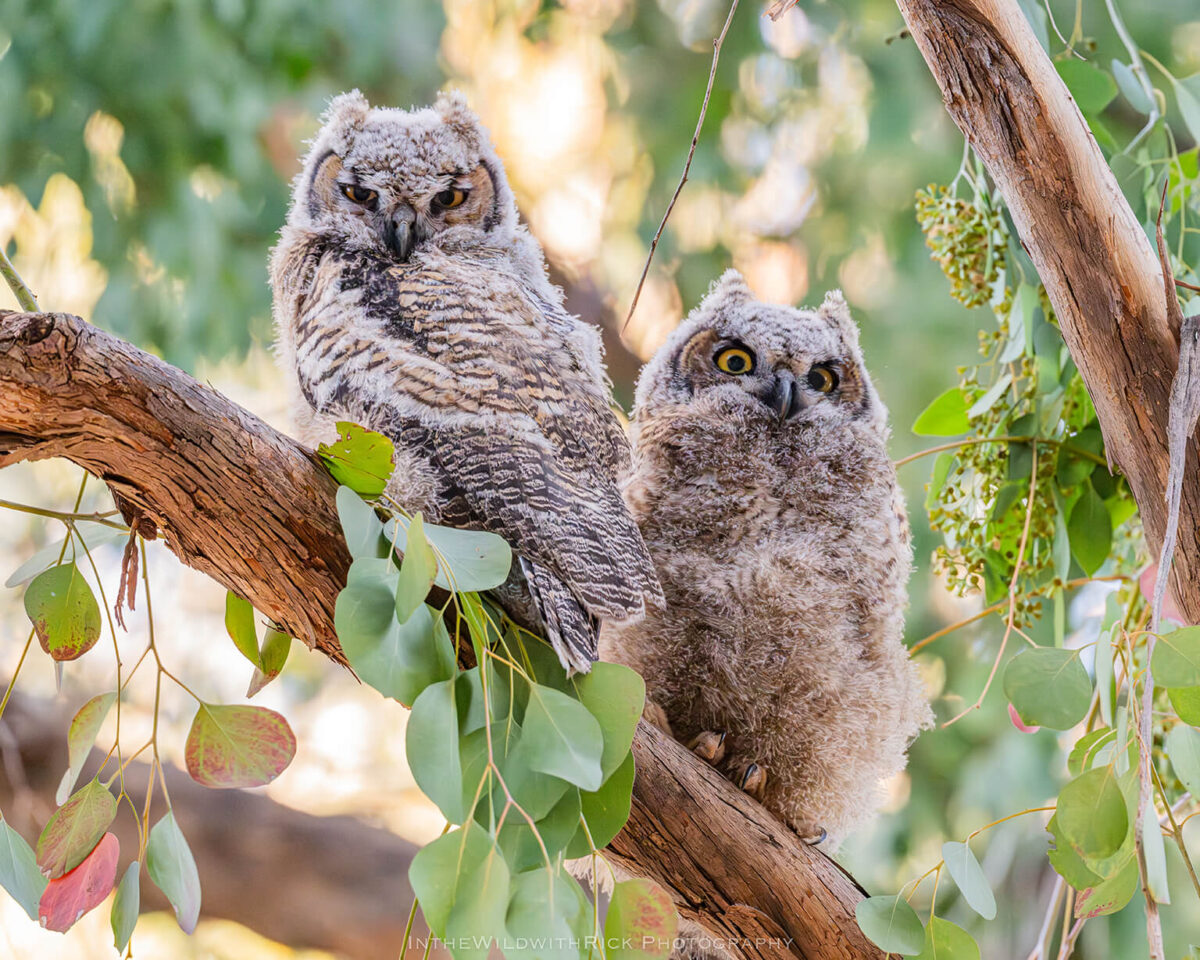
“I’ll never get tired of hummingbirds,” says Rick as the tiny blur of pink and green zips away. But the bird that truly holds his heart prefers mice to manzanita flowers. After initially guiding more generalized bird tours, Rick discovered a nocturnal niche when a Stanford professor requested a twilight owl tour. Afterwards, Rick posted photos on NextDoor of the great horned owl, screech owl and barn owl he’d located—and soon found himself inundated with over 50 inquiries.
How does one track down these silent hunters? These days, Rick’s birding friends and former tour guests inform him of sightings. Although he closely guards his favorite owl hotspots, Rick recommends people keep their eyes peeled for pellets. “They can’t digest the bones and the fur so owls have two stomachs,” he explains. “The indigestible bits get transferred to the gizzard where it’s basically compacted into these little balls to be spit back up. It looks like they’re yawning.”
Of course, we don’t meet any of these nocturnal raptors during daylight hours at Edgewood, but Rick keeps me entertained with an abundance of owl facts as we hike. Did you know barn owls have a facial disc that funnels sound to their ears? That great horn owls rip apart their prey, while barn owls swallow their meals whole?
As we continue, Rick points out clearings where songbirds like to swoop for juicy bugs. A golden-crowned sparrow, black phoebe and oak titmouse kindly demonstrate. Along the outer Edgewood Trail, we spy a cluster of black-tail deer grazing just off the path. We approach within yards, but they give us no mind. So Rick takes aim—and shoots. Unperturbed, the deer munch on, while Rick cheerfully shows me his camera’s viewfinder. He’s caught them mid-chew.
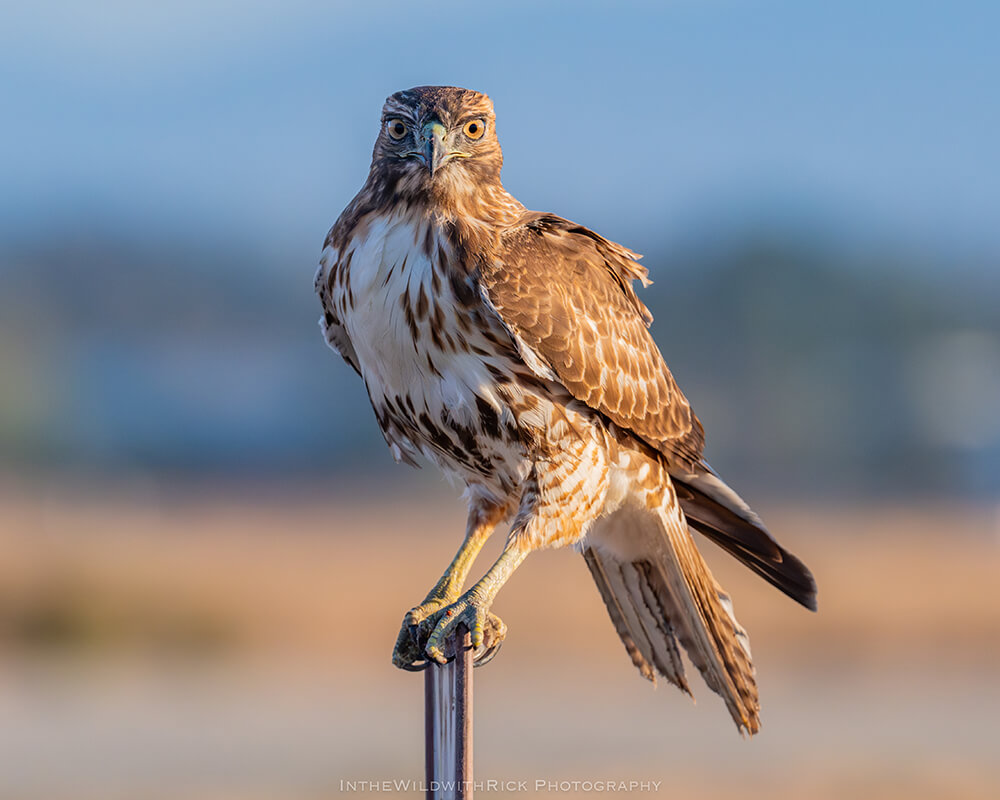
The terrain gives way to grasslands on the Serpentine Trail and a flash of feathers catches our attention. A kestrel—a compact little warrior less than a foot in size—hovers mid-air, wings beating fast. With a plethora of pocket gophers, meadow voles and brush rabbits about, there’s plenty on the menu for a ravenous raptor. We marvel as this hunter, equal parts dainty and deadly, swoops again and again—the perfect finale for our walk on the wild side.
Seeking more hikes where you can come face-to-face with the fauna?
Rollicking Rabbits at San Bruno Mountain
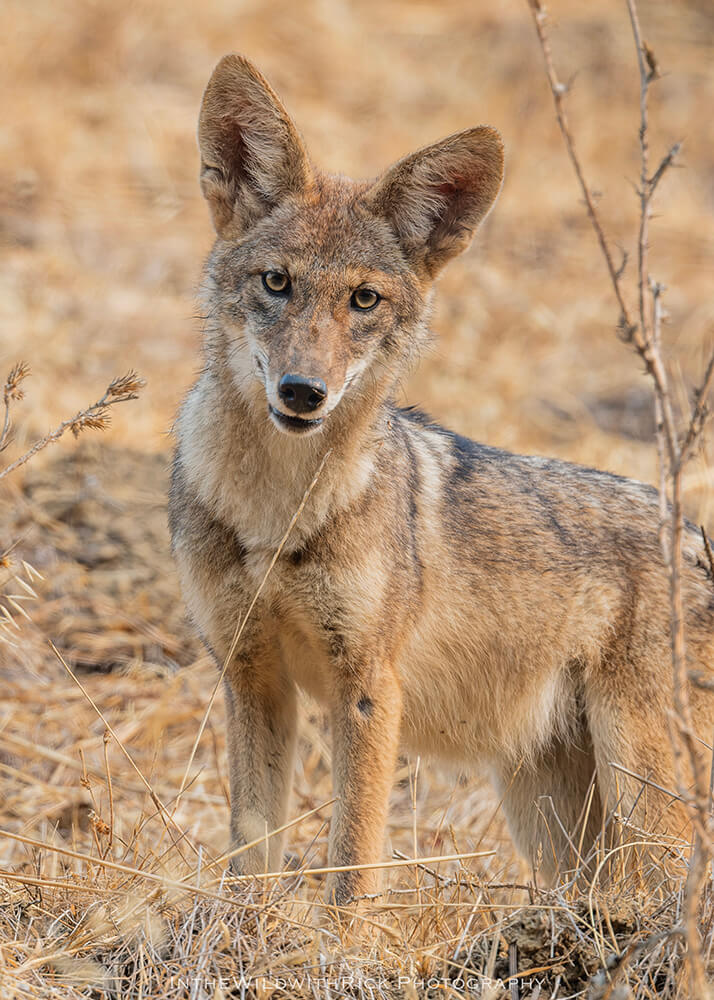
For hippity-hoppity friends, hike San Bruno Mountain State Park’s Saddle Trail, where brush and jack rabbits abound. With beautiful rugged ridges traced by trails, this open space is also dotted with coastal scrub and sweet wildflower blossoms, truly a bunny’s buffet. You’re also likely to spot creatures who dine on the rabbits, including coyotes, bobcats, red and gray foxes, and a range of raptors.
Beneath your hiking boots, pocket gophers, ground squirrels, Trowbridge’s shrews and meadow voles burrow, while birds pinwheel through the skies. Among San Bruno’s overwintering and permanent residents are indigo and painted bunting, rose-breasted grosbeak, scarlet tanager and nine different species of warblers. For your own bird’s-eye view, make sure to appreciate the park’s many sweeping vistas spanning the San Francisco Bay to the Pacific Ocean, from Salesforce Tower to Mt. Tamalpais.
Birds aren’t the only winged things around here. Come spring, 30 species of butterflies flutter about the park, including endangered and threatened varieties like the San Bruno Elfin, Mission Blue, Callippe Silverspot and Bay Checkerspot.
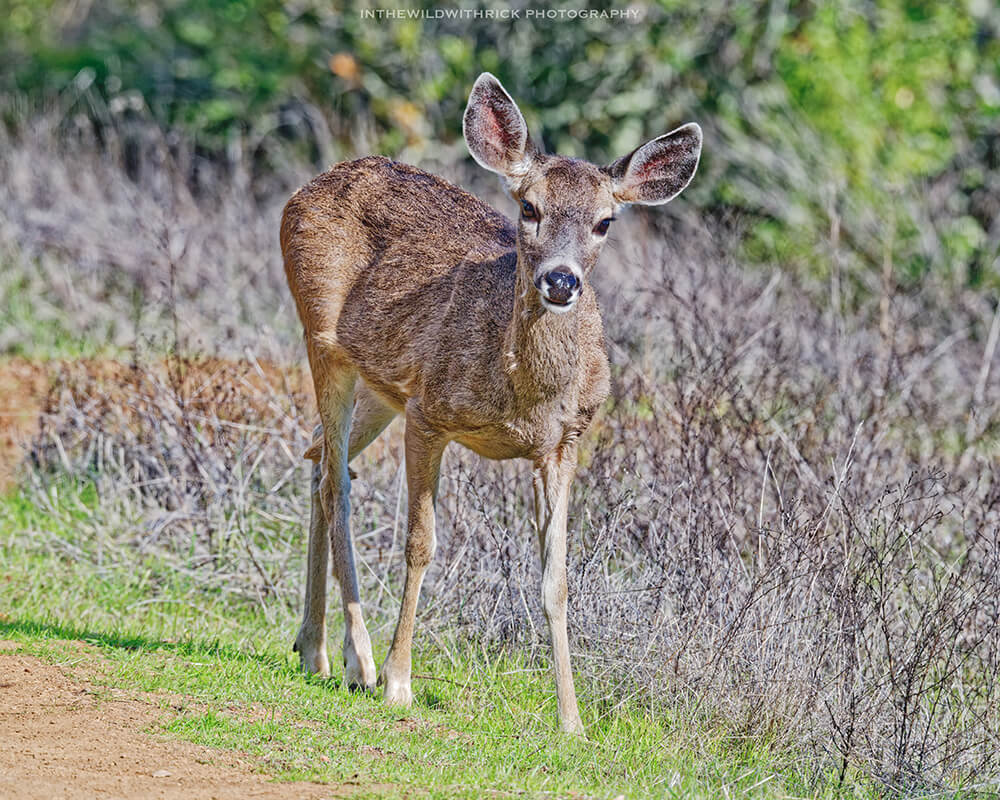
Dainty Deer at San Pedro Valley Park
Hello deer! Pacifica’s San Pedro Park is a lush sanctuary where you’ll spot Bambi and his pals bounding through the brush. You’re most likely to spot them grazing along the grassy valley floor on the Weiler Ranch Trail, but be sure to check out the Montara Mountain Trail while you’re there. On this just over two-mile route, advance from the blue gum eucalyptus forest to a series of steep switchbacks and continue along stretches of coastal scrub. Even if you get a bit winded, the breathtaking views make it all worth it. Stretched out below is a tree-coated valley—and beyond, the vast blue Pacific.
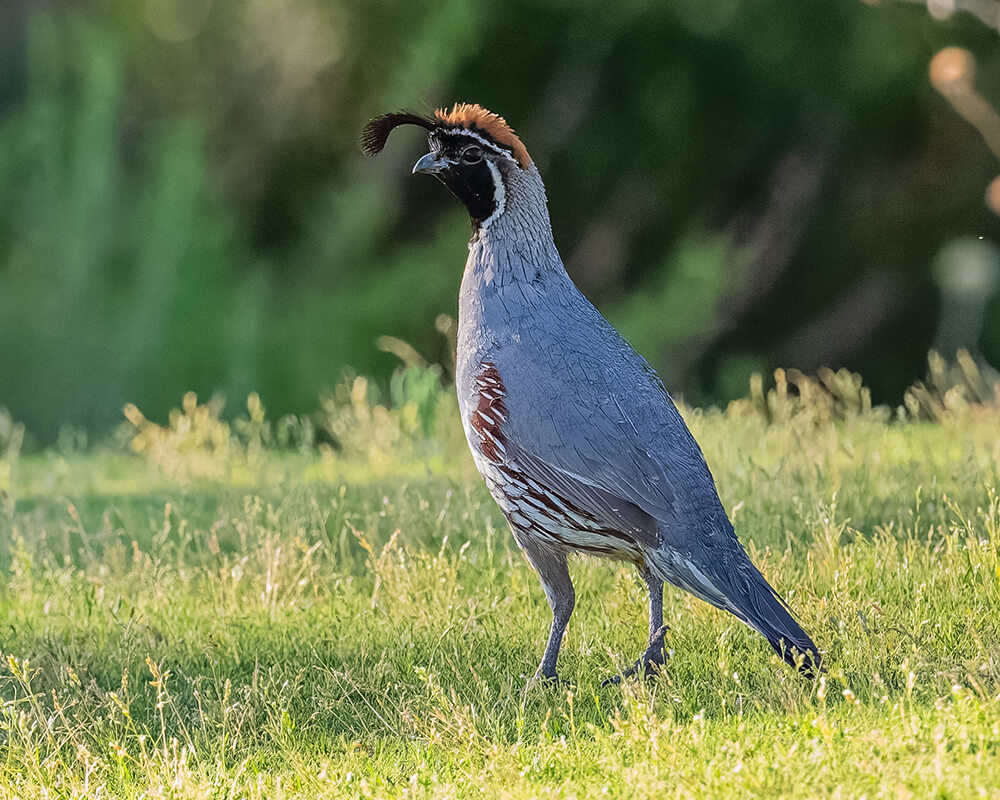
Expect to encounter any number of soaring, slinking and slithering inhabitants during your visit. A group of quails might bolt across your path. The shadow of a circling red-tailed hawk or turkey vulture might pass by overhead. Perhaps you’ll see a grey fox giving chase to a rabbit or come across a harmless garter snake or gopher snake sunning its scales. Keep a respectable distance and give a nod of acknowledgment.
Numerous Newts at Sam McDonald Park
When the weather gets wet, zip up your raincoat and brave the muddy track of Sam McDonald Park’s Heritage Grove Trail to meet up with the California newts. Awakened from its dormancy by the cool, refreshing rain, this semiaquatic species of salamander wiggles out from under its safe log or rock, then waddles in its wide-legged way down to Alpine Creek to breed. Other places you’ll find these orange-bellied beauties? Look for them around the Mindego Hill and Ancient Oaks trails off Alpine Road (part of the Russian Ridge Open Space Preserve) as well as the Los Gatos Creek Trail near the Lexington Reservoir.
Showy Shorebirds at Coyote Point Recreation Area
Less of a trailblazer, more of a tranquil wanderer? San Mateo County Park Ranger Katherine Wright recommends a walk along the water at Coyote Point Recreation Area for shorebirds aplenty. Breathe in the crisp scent of the eucalyptus trees and try to identify the diving birds bobbing along the Bay. Here’s a cheat sheet: Clark’s, western, horned and eared grebes as well as buffleheads and goldeneyes are some of the regulars. And keep an eye out for regal herons and egrets stalking through the shallows.